The Middle East at a Crossroads: Escalation and Diplomacy
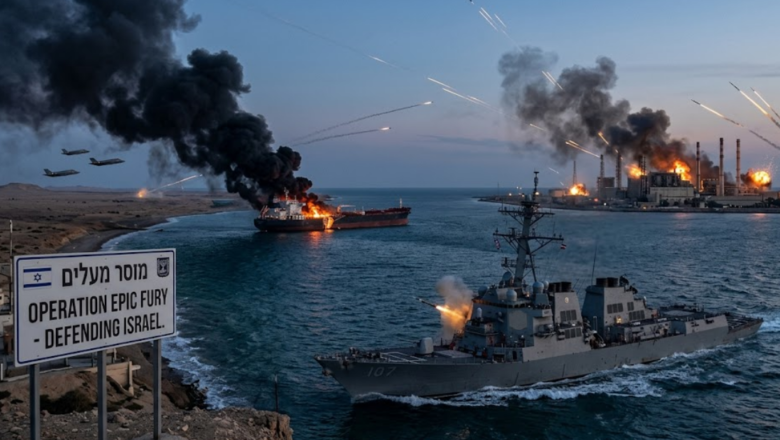
The geopolitical landscape underwent a seismic shift over the first 48 hours of April 2026. As Operation Epic Fury enters its second month, the conflict involving Israel, Iran, and the United States has reached a fever pitch, characterized by direct aerial exchanges and high-stakes verbal maneuvering.
A Night of Fire: Military Escalations
The transition from March to April was marked by a significant increase in direct kinetic action. On April 1, the Israeli Defense Forces launched one of the most significant air campaigns of the war, targeting critical infrastructure and military command centers within the Iranian capital. Local reports confirmed multiple secondary explosions, suggesting hits on munitions depots.
Iran responded within hours, launching waves of ballistic missiles. While Israel’s multi-layered defense systems intercepted the majority, debris and impacts near Tel Aviv resulted in civilian injuries. The conflict also spilled further into the Gulf as Iranian-linked drones struck fuel storage facilities at Kuwait’s international airport. While no lives were lost, the strike served as a grim reminder of the vulnerability of regional energy hubs.
Diplomatic Discord and the “Two-Week” Timeline
In a surprise national address on April 2, U.S. President Donald Trump introduced a new level of unpredictability to the conflict. He asserted that U.S. involvement could conclude within two to three weeks, suggesting that American forces might withdraw regardless of whether a comprehensive peace treaty is signed.
However, the diplomatic path remains murky. While President Trump suggested that Tehran had reached out for a ceasefire, the Iranian government issued a stern rebuttal, calling the claims baseless and maintaining that negotiations are impossible while active strikes continue. Meanwhile, Iranian President Masoud Pezeshkian is reportedly bypassing traditional diplomatic channels by preparing a letter addressed directly to the American public, seeking to influence Western public opinion.
Global Economic Fallout: The Hormuz Bottleneck
The most immediate global concern remains the Strait of Hormuz. With the route effectively closed, nearly 20 percent of the world’s oil and liquefied natural gas is trapped. Global oil prices have spiked to record highs as damage to Qatari gas fields and the naval blockade stifle supply.
A 35-nation coalition, led by the UK and supported by nations including India, is currently meeting to discuss a potential naval mission to reopen the shipping lanes. However, European leaders have expressed caution, labeling a full-scale military clearing of the Strait as unrealistic given the current risk of total regional war.
The Lebanon Front and UN Concerns
To the north, the situation between Israel and Hezbollah remains a tinderbox. Israeli officials have issued severe warnings to Hezbollah leadership following intensified rocket fire during the Passover holiday. Simultaneously, the international community has raised urgent alarms regarding the safety of UNIFIL peacekeepers caught in the crossfire of the border regions.
As we move further into April 2026, the world watches with bated breath. Between the rapid-fire military exchanges and the shifting timelines for U.S. involvement, the margin for error has never been thinner. The coming days will determine if the two-week window is a realistic exit strategy or the prelude to a much wider confrontatio